Boondocking for Beginners: How to Find Free Camping in Your Van
This post may contain affiliate links. If you buy through them, we may earn a commission at no extra cost to you.
Table of contents
- Boondocking, dispersed camping and dry camping
- Where boondocking is allowed
- Public land
- In and around towns
- Harvest Hosts
- How to find boondocking spots
- Water, power and waste
- Water
- Power
- Waste
- Boondocking etiquette
- Staying safe
- Frequently asked questions
- Is boondocking legal?
- How long can you boondock in one place?
- Do you need solar to boondock?
- What’s the best app for boondocking?
Boondocking is camping without hookups: no water spigot, no electric post, no sewer connection, and usually no fee. You park your van somewhere legal, live off what you brought with you, and leave the spot as clean as you found it.
For a lot of van lifers it’s the whole point. It’s how you wake up to a mountain view instead of the RV next door, and it’s the biggest single reason van life can cost so much less than paying rent. This guide covers where boondocking is allowed, how people find spots, and what you need to handle water, power, waste and safety on your own.
Boondocking, dispersed camping and dry camping
You’ll hear a few terms used almost interchangeably:
- Boondocking usually means free camping away from developed campgrounds, often on public land.
- Dispersed camping is the official term public land agencies use for camping outside designated campgrounds, typically with no facilities at all.
- Dry camping just means camping without hookups. It can happen anywhere, including a paid campground with no water or power at your site.
In practice, when someone in the van life world says “boondocking,” they mostly mean dispersed camping on public land, plus the occasional free overnight in town.
Where boondocking is allowed
Public land
In the western United States especially, huge areas are managed by the Bureau of Land Management (BLM) and the U.S. Forest Service, and dispersed camping is allowed on much of it. A common rule is a stay limit of 14 days in one spot, after which you’re expected to move a set distance away, but rules vary by area. Some places are closed to camping, and some have seasonal or fire restrictions. Check with the local BLM field office or Forest Service ranger district, or the posted signs at the area, before you settle in.
National parks are different. Most don’t allow dispersed camping, and overnight stays are limited to their campgrounds. National forests and BLM land just outside a park are often where people actually sleep.
In and around towns
When you’re between public land areas, you’ll need somewhere to sleep for a night. Options people use include:
- Some big-box stores and restaurants. Certain Walmart, Cabela’s, Bass Pro Shops and Cracker Barrel locations allow overnight parking, but it depends on the store and on local ordinances. Always ask the manager first.
- Truck stops and rest areas, where state rules permit it. Some states allow overnight stays at rest areas and some prohibit them.
- Casinos, many of which welcome overnight parking, sometimes with a quick check-in at the security desk.
Treat these as one-night stops. Arrive late, leave early, don’t set up chairs or a grill, and buy something if you’re using a business’s lot.
Harvest Hosts
If you’d rather not spend travel nights in a parking lot, Harvest Hosts is worth knowing about. It’s a paid yearly membership that lets you stay overnight at wineries, farms, breweries, museums and other small businesses across North America, with no nightly camping fee. Hosts hope you’ll support them by buying a bottle, some produce or a meal while you’re there.
It isn’t boondocking in the strict sense, and stays are usually short, often a single night. But it fills the gap between public land areas well: you get a quiet, safe spot off the highway, permission is never in question, and the stops are often a highlight of the trip. If you travel often, it can work out cheaper than paying for campgrounds on the nights you can’t find a free spot.
How to find boondocking spots
Most people use a mix of apps, maps and local knowledge.
- iOverlander: a free, crowdsourced app with campsites, water, dump stations and more, plus recent reviews from other travelers. The reviews are the most useful part, since they tell you whether a spot is still open and what the road in is like.
- Campendium: listings for campgrounds and free camping, with a filter for free sites and reviews that often mention cell signal.
- FreeRoam: free camping maps that show public land boundaries, so you can see whether you’re on BLM or national forest land.
- Official sources: BLM and Forest Service websites and local offices, plus Forest Service motor vehicle use maps, which show which roads are open and where camping along them is allowed.
Satellite view on your map app is a great final check. You can often spot pull-offs and clearings, and see whether a road looks drivable for your van.
Water, power and waste
Boondocking means you’re self-sufficient for as long as you stay. These are the three things that usually decide how long that is.
Water
Carry more than you think you need, and learn how much you actually use in a day. Fill up at gas stations, visitor centers, campgrounds or water spots listed in iOverlander. A good filter makes it easier to use water from less certain sources. We reviewed the LifeStraw personal water filter for exactly that kind of backup.
Power
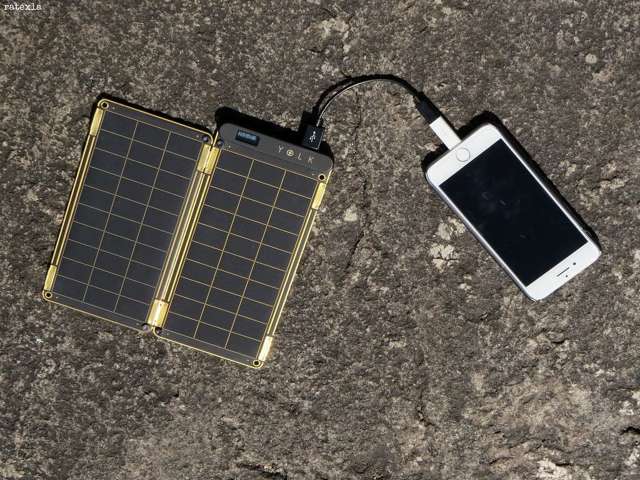
Without an electric hookup, your power comes from your van’s battery system, a portable power station, solar panels, or your engine’s alternator while you drive. A 12V fridge, lights, a fan and laptop charging are the usual loads. If you’re choosing a power station, our EcoFlow vs Jackery comparison matches models size by size, and our guide to solar chargers and panels covers panels that keep it topped up when you stay put for a few days.
Waste
- Trash: pack out everything, including food scraps.
- Toilet: most van lifers use a portable or composting toilet. Where there’s no toilet and it’s allowed, Leave No Trace guidance is to dig a cathole 6 to 8 inches deep, at least 200 feet from water, trails and camp.
- Gray water: dish and shower water. Rules on dumping it vary, so check local regulations, and use dump stations when you can. They’re listed in iOverlander and other apps.
Boondocking etiquette
The free spots that exist today stay open because people treat them well. A few basics:
- Use existing sites. Park where others clearly have before instead of driving onto fresh ground.
- Give people space. If someone’s already set up in a clearing, find another one unless there’s plenty of room.
- Keep it quiet, and run generators only during reasonable hours, if at all.
- Check fire restrictions before you light anything, and drown fires completely.
- Leave it better than you found it. Picking up even a little trash left by others helps keep areas open.
Staying safe
- Arrive before dark. It’s much easier to judge a road and a spot in daylight.
- Check your signal before you commit, especially if you work remotely. Reviews on Campendium and iOverlander often mention coverage.
- Tell someone where you are, or share your location with a friend.
- Park so you can leave easily, ideally facing out with a clear path.
- Trust your gut. If a spot doesn’t feel right, move on. There’s always another one.
Frequently asked questions
Is boondocking legal?
Yes, where it’s allowed. Dispersed camping is permitted on much BLM and national forest land, and some businesses allow overnight parking. It isn’t allowed everywhere, and local rules change, so check signs and with the managing agency or business before you stay.
How long can you boondock in one place?
On much federal public land, the limit is commonly 14 days, after which you need to move to a new area. Some places have shorter limits. Businesses that allow overnight parking generally mean one night.
Do you need solar to boondock?
No, but it helps. You can boondock for a night or two on a charged battery or power station alone. For longer stays, solar panels let you recharge without running your engine or moving the van.
What’s the best app for boondocking?
There isn’t one best app. iOverlander, Campendium and FreeRoam each do something well, and many people use two or three together. Read the most recent reviews before you drive in.
New to van life in general? Our 10 essential tips for van life beginners covers the basics, from choosing a van to staying organized.
Rules for public land and overnight parking change often. Check with the managing agency or business before you stay.